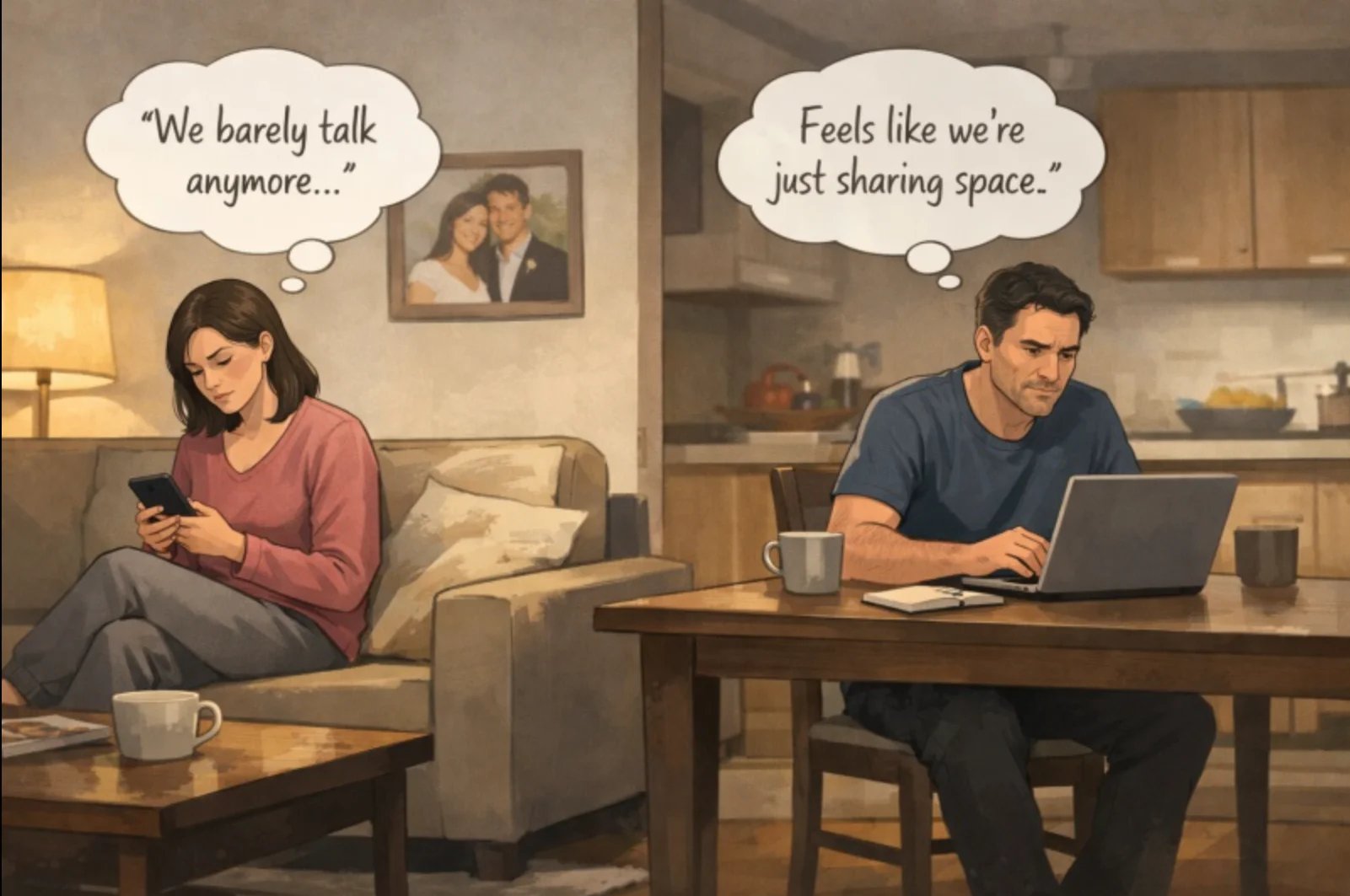
Sometimes relationships don’t break suddenly.
There’s no dramatic fight.
No betrayal.
No final goodbye.
Instead, two people slowly stop noticing each other.
That’s what happened to Lina and Omar after moving into their apartment in Dubai Marina.
At first, everything felt exciting. New furniture. Late-night food deliveries. Weekend coffee runs. Long conversations that somehow lasted until 2 AM even on work nights.
Then life became busy.
Really busy.
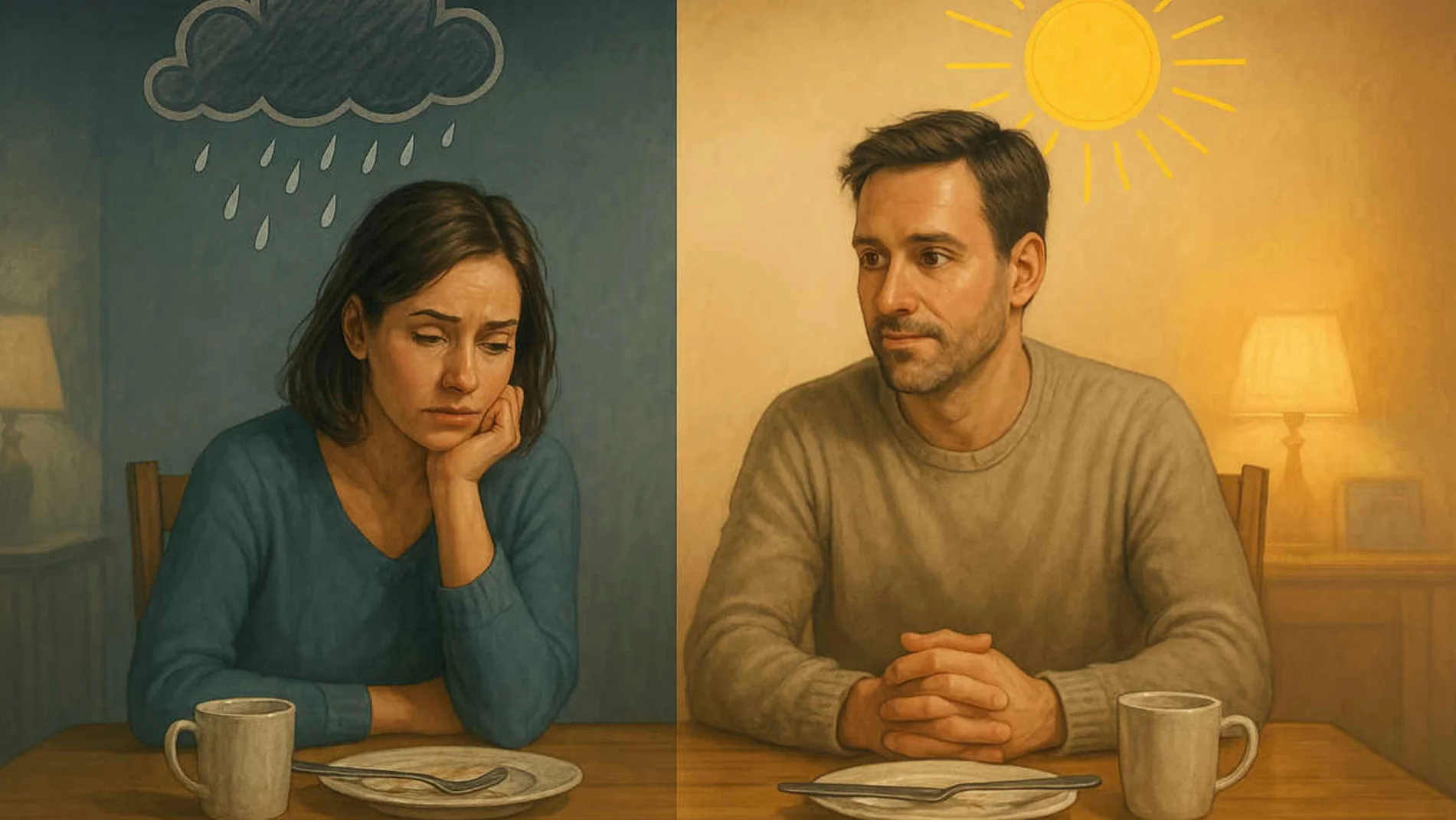
Omar worked in finance. Lina worked remotely for a marketing agency.
Their schedules slowly became opposite.
When Omar came home late, Lina was already exhausted from staring at screens all day.
When Lina wanted to talk, Omar wanted silence.
When Omar finally had free time on weekends, both of them were mentally drained.
Nothing was “wrong.”
But somehow everything felt distant.
They still lived together.
Still shared meals sometimes.
Still slept in the same bed.
But emotionally?
It started feeling like roommates with matching furniture.
The Weird Thing About Relationship Burnout
Nobody notices it immediately.
It happens through small habits:
- Eating while scrolling phones
- Saying “I’m tired” every night
- Delaying conversations
- Working during dinner
- Watching separate screens in silence
Tiny things.
But repeated for months, they slowly create emotional distance.
And in fast-moving cities like Dubai, it happens more often than people admit.
One Friday night, Lina said something simple that unexpectedly changed everything.
“We haven’t actually talked properly in weeks.”
Omar laughed at first.
Then he realized she was right.
Not logistics.
Not bills.
Not grocery lists.
Actual conversation.
They couldn’t even remember the last time they asked each other meaningful questions.
Why Modern Couples Feel Emotionally Exhausted
Dubai has a lifestyle that constantly pushes people forward.
Career growth.
Networking.
Fitness.
Side businesses.
Social events.
Everyone is optimizing something.
And relationships quietly end up at the bottom of the priority list.
The strange part is that couples often think:
“Once work becomes less stressful, we’ll reconnect.”
But work rarely becomes less stressful.
Without intentional effort, emotional distance keeps growing silently.
The Small Habit That Started Helping
Lina suggested something surprisingly simple:
No phones after 10 PM.
That was it.
No dramatic therapy sessions.
No complicated relationship rules.
Just one hour without screens before sleep.
At first it felt awkward.
They realized how much silence had been filled by scrolling.
So they started talking again.
Random conversations at first:
- Funny office stories
- Places they missed traveling to
- Old memories from when they first met
Small things.
But real things.
Insert Image: Warm bedroom lighting with phones placed face-down on bedside table
What They Slowly Realized
The relationship wasn’t failing because of one major problem.
It was dying from lack of attention.
That’s what many couples misunderstand.
Relationships usually don’t collapse from a single event.
More often, they fade through:
- stress
- distraction
- exhaustion
- routine
- emotional neglect
Especially when two people are constantly mentally overstimulated.
Tiny Changes That Made a Bigger Difference Than Expected
Over the next few months, Lina and Omar changed a few small habits:
They started walking after dinner.
Not for fitness.
Just to talk.
They stopped bringing laptops into bed.
Work stayed outside the bedroom.
They planned one intentional night together every week.
Even if it was just takeaway food and a movie.
They stopped waiting to “feel less busy.”
Because that day never arrived.
Real case inspiration:
A couple living in Downtown Dubai shared that creating one technology-free evening per week noticeably improved communication and reduced relationship tension within two months.
The Problem Was Never Lack of Love
This is the part many people misunderstand.
You can love someone deeply and still slowly disconnect from them.
Because relationships require attention the same way physical health does.
Ignore sleep long enough, and your body reacts.
Ignore emotional connection long enough, and relationships react too.
Not dramatically at first.
Quietly.

Things That Quietly Damage Relationships Over Time
Many modern couples don’t notice these patterns:
- Constant phone usage during conversations
- Treating stress as “normal forever”
- Never spending intentional time together
- Replacing communication with routines
- Living together without emotionally connecting
None of these seem serious individually.
But together, over time, they create emotional distance.
What Actually Helped Most
Interestingly, it wasn’t expensive vacations.
Not relationship books.
Not dramatic changes.
It was consistency.
Small moments repeated regularly:
- eye contact
- listening
- laughing
- checking in emotionally
- being mentally present
Those things mattered more than they expected.
Frequently Asked Questions (FAQ)
Q1: Is relationship burnout common in busy cities?
Yes. Long work hours, stress, and digital distractions often affect emotional connection gradually.
Q2: Can small habits really improve relationships?
Absolutely. Consistent small changes are often more effective than dramatic short-term efforts.
Q3: Does screen time affect emotional connection?
Yes. Excessive phone usage during shared time can reduce communication quality significantly.
Q4: What is the biggest warning sign of emotional distance?
Usually the loss of meaningful conversation and intentional time together.
Final Thoughts
Lina once said something interesting months later:
“I thought we needed more time together. Actually, we needed more attention while we were together.”
That difference changed everything.
Modern relationships rarely fail overnight.
Most slowly drift apart while both people are simply trying to survive busy lives.
And sometimes reconnecting begins with something very small.
Like putting the phone down for one hour.